Master These 10 Essential Skills for Remote Work Success
Discover the top 10 skills you need to excel in remote work and boost your productivity and collaboration from anywhere.
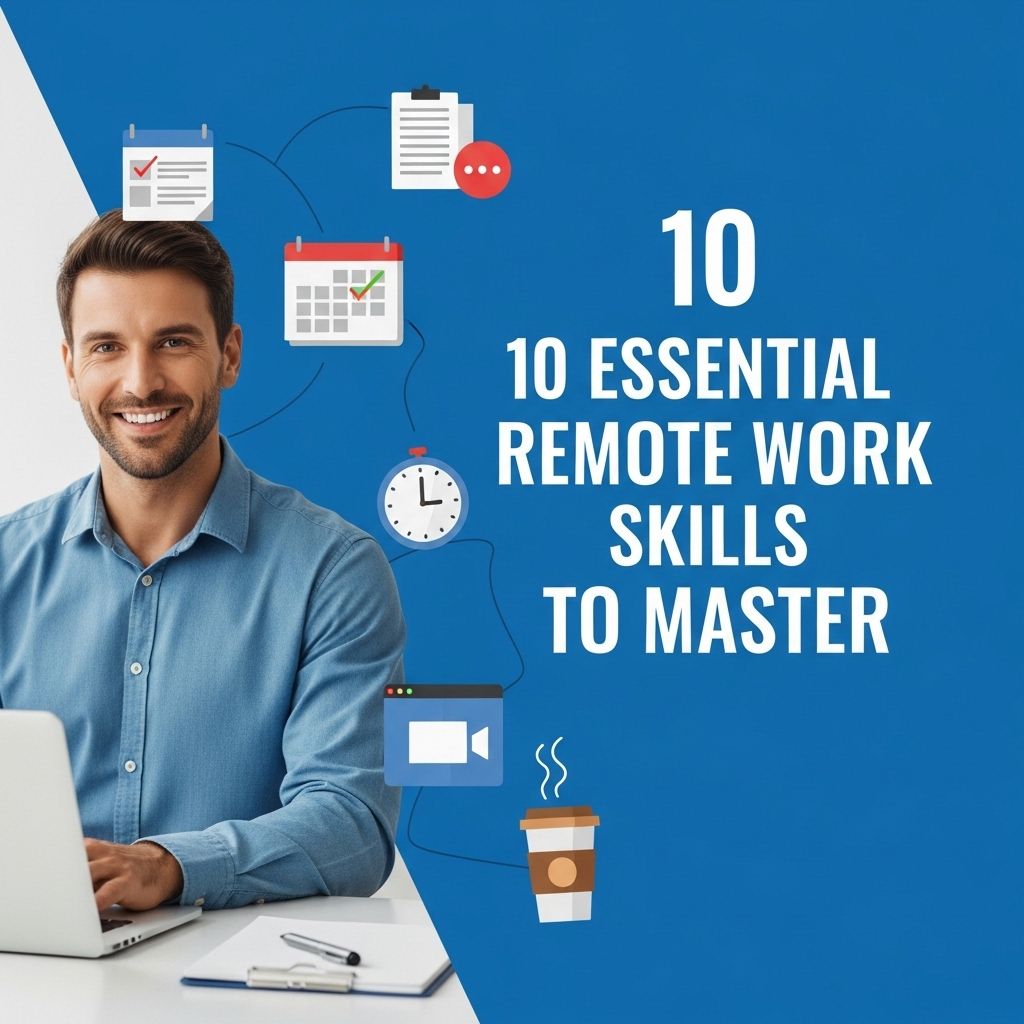
The rise of remote work has transformed the traditional workplace, requiring employees to adapt to a new set of skills that enhance productivity and collaboration from a distance. As companies embrace flexible work arrangements, mastering certain competencies becomes crucial for success in this evolving landscape. This article outlines the ten essential skills that every remote worker should cultivate to thrive in a digital workspace.
In today’s digital landscape, mastering essential skills for remote work is crucial for success. From effective communication to self-discipline, these ten competencies can significantly enhance your productivity and collaboration. For those looking to elevate their brand, you might want to download stunning logo mockups to create a professional image.
1. Communication Proficiency
Effective communication is the cornerstone of successful remote work. Unlike in-office environments where face-to-face interactions facilitate quick exchanges, remote work relies heavily on digital communication tools. Here are key aspects to focus on:
- Clarity: Ensure messages are clear and to the point to avoid misunderstandings.
- Active Listening: Engage with colleagues by demonstrating understanding and feedback.
- Versatility: Adapt communication styles to fit different platforms, such as emails, video calls, and chat apps.
2. Time Management
With the freedom of working from home comes the responsibility of managing one’s time effectively. To enhance productivity, consider these strategies:
- Prioritize Tasks: Use techniques like the Eisenhower Matrix to differentiate between urgent and important tasks.
- Set Clear Goals: Break work into manageable chunks and set deadlines for each.
- Utilize Tools: Leverage digital calendars and task management software to stay organized.
3. Self-Motivation
In a remote environment, the absence of a structured office atmosphere can lead to distractions. Cultivating self-motivation is essential:
| Motivation Techniques | Description |
|---|---|
| Establish a Routine | Set a consistent schedule to create structure in your day. |
| Create a Dedicated Workspace | Designate a specific area in your home for work to minimize distractions. |
| Reward Yourself | Set milestones and treat yourself upon meeting them to boost morale. |
4. Technical Proficiency
Remote work is inherently digital, making technical skills a necessity. Essential areas include:
Basic IT Skills
Understand how to troubleshoot common tech issues, such as:
- Wi-Fi connectivity problems
- Software installations
- File sharing and cloud storage management
Familiarity with Collaboration Tools
Get comfortable with tools like:
- Video conferencing (Zoom, Microsoft Teams)
- Project management (Trello, Asana)
- Document collaboration (Google Workspace, Microsoft 365)
5. Adaptability
The remote work environment is constantly evolving, making adaptability a key skill. To stay relevant:
- Embrace Change: Stay open to new technologies and workflows.
- Learn Continuously: Pursue ongoing learning opportunities through online courses and webinars.
- Stay Resilient: Cultivate a positive mindset to navigate challenges and setbacks.
6. Team Collaboration
Collaborating effectively with a dispersed team is crucial. Enhance your collaboration skills by:
Building Relationships
Invest time in getting to know your colleagues:
- Engage in virtual team-building activities.
- Participate in informal chats to foster camaraderie.
Participating Actively in Discussions
Contribute to team meetings and discussions:
- Share ideas and feedback openly.
- Encourage input from others to create an inclusive environment.
7. Problem-Solving Abilities
Remote work often presents unique challenges that require quick thinking. Enhance your problem-solving skills by:
- Identifying Issues: Develop a keen eye for spotting potential roadblocks before they escalate.
- Analyzing Information: Gather data and perspectives to understand challenges fully.
- Proposing Solutions: Present actionable solutions rather than just highlighting problems.
8. Emotional Intelligence
Working remotely can induce feelings of isolation. Cultivating emotional intelligence is vital for maintaining mental health and fostering positive interactions:
- Self-Awareness: Reflect on your emotions and their impact on your work.
- Empathy: Understand and support the emotional needs of your teammates.
9. Cultural Competence
As remote teams often consist of members from various backgrounds, cultural competence becomes important:
- Respect Diversity: Acknowledge and appreciate different perspectives and practices.
- Communicate Inclusively: Use language that is clear and respectful to all cultural backgrounds.
10. Networking Skills
Building professional relationships is essential, even in a remote context. Consider these networking strategies:
- Join Online Communities: Participate in forums and social media groups related to your industry.
- Attend Virtual Events: Engage in webinars, workshops, and conferences to expand your network.
In conclusion, mastering these ten essential remote work skills can significantly enhance your effectiveness and satisfaction in a digital work environment. As the future of work continues to evolve, staying ahead of these competencies will ensure your success and adaptability in a competitive job market.
FAQ
What are the essential skills needed for remote work?
The essential skills for remote work include effective communication, time management, self-discipline, adaptability, technical proficiency, and collaboration.
How can I improve my communication skills for remote work?
To improve communication skills for remote work, practice active listening, use clear and concise language, leverage video calls for discussions, and ensure timely responses to messages.
What tools can help enhance my remote work skills?
Tools like Slack for communication, Trello for project management, Zoom for video conferencing, and Google Drive for document collaboration can significantly enhance remote work skills.
Why is time management important in remote work?
Time management is crucial in remote work because it helps maintain productivity, ensures deadlines are met, and balances work-life without the physical separation of a traditional office.
How can I stay motivated while working remotely?
To stay motivated while working remotely, set clear goals, create a designated workspace, take regular breaks, and connect with colleagues to foster a sense of community.
What strategies can help with collaboration in remote teams?
Effective collaboration strategies for remote teams include using collaborative tools, scheduling regular check-ins, establishing clear roles, and fostering an inclusive environment.